
Request An Appointment
Physical recovery after a motor vehicle accident involves addressing specific physical strains that often appear days or weeks following the incident. At The Port Physiotherapy & Massage, the focus remains on assessing these impacts and implementing a structured plan to restore physical function. MVA Therapy serves as a pathway to manage the tension, stiffness, and Mobility issues that commonly follow collisions. Physical recovery after a motor vehicle accident often involves managing physical strain that may surface days or even weeks after the event. At The Port Physiotherapy & Massage, the focus is on identifying these effects and creating a structured plan to restore physical function. MVA Therapy in Calgary is commonly used to address tension, stiffness, and Mobility limitations that follow collisions on Alberta roads.
After a collision, individuals are often faced with insurance forms and administrative steps. In Alberta, regulated access to MVA Therapy in Calgary allows injured individuals to begin care promptly. In many cases, direct billing is available, helping reduce delays when starting MVA Therapy in Calgary.
The first phase of MVA Therapy in Calgary includes a detailed physical assessment. This evaluation examines how the accident affected joints, muscles, and connective tissue. Neck strain, mid-back discomfort, and lower back involvement are reviewed carefully so MVA Therapy in Calgary can be planned with accuracy rather than assumption.
Whiplash remains one of the most common reasons people begin MVA Therapy in Calgary. The rapid forward-and-backward motion of the head can overstretch neck structures, leading to reduced range of motion and ongoing discomfort. Soft tissue strain in the shoulders and upper back is also frequently identified during MVA Therapy in Calgary assessments.
Common findings that may indicate the need for continued MVA Therapy in Calgary include:
By addressing these findings through MVA Therapy in Calgary, the goal is to support the gradual restoration of movement and functional activity as recovery progresses.
Recovery is rarely a passive event. While hands-on work from a professional is a core component of MVA Therapy, movement plays an equally vital role. Exercises are introduced to rebuild strength in areas that have become guarded or weak due to the accident.
By engaging in consistent MVA Therapy, you work to restore the balance between different muscle groups. For instance, if a lower-back impact has caused you to overcompensate with your hips, the therapy sessions will focus on realigning those movement patterns.
Waiting to see if the stiffness “goes away on its own” can lead to secondary issues. Chronic tension often develops when an injury goes unaddressed, as the body forms compensatory habits to avoid discomfort. Starting MVA Therapy shortly after the accident helps to catch these issues before they become ingrained.
In Calgary, the variable weather and road conditions mean accidents are a reality for many. Having a local point of contact for MVA Therapy ensures you can maintain a regular schedule of care, a major factor in how quickly you see progress.
The Port Physiotherapy & Massage works within the Diagnostic and Treatment Protocols (DTP) established in Alberta. This means that for many minor injuries, MVA Therapy can be started without waiting for a physician’s referral, provided it is within the first 10 days of the accident.
Our team assists in navigating the forms required by your insurance provider. Clear documentation is a staple of our MVA Therapy service, ensuring that your claim reflects the actual physical limitations and progress observed during your sessions. This transparency helps maintain a smooth flow of communication between all parties involved in your claim.
Every accident is different. A side-impact collision affects the body differently than a rear-end bump. Therefore, MVA Therapy is not a one-size-fits-all solution. Depending on the nature of the impact, your sessions might include:
The integration of these methods within your MVA Therapy plan ensures that every angle of the injury is considered.
The ultimate objective of MVA Therapy is to return you to your daily activities—whether that is returning to work, lifting your children, or participating in weekend sports. Stiffness should not be the “new normal” after a car accident.
The Port Physiotherapy & Massage provides a neutral, professional environment where your physical progression is the sole focus. By utilizing MVA Therapy, you are taking a proactive step toward reclaiming your physical health.
Attending your scheduled MVA Therapy sessions is the most reliable way to see results. Each session builds upon the last, gradually increasing the load your body can handle and decreasing the frequency of flare-ups.
We monitor your progress through functional tests. Can you rotate your neck further than last week? Is the tension in your lower back decreasing after a day at the office? These markers are the true measure of the success of your MVA Therapy program.
It is often recommended to begin within a few days of the accident, even if you feel okay initially. Adrenaline can mask symptoms that appear once the body settles.
In many instances, we can bill your insurance company directly for MVA Therapy sessions, provided the claim is active and within the protocol limits.
A typical MVA Therapy session lasts 30 to 60 minutes, depending on the complexity of the injuries being addressed.


Living with the physical reminders of a motor vehicle accident is a challenge, but you do not have to face it alone. MVA Therapy provides the structure and professional oversight needed to navigate the complexities of soft tissue recovery.
The Port Physiotherapy & Massage is here to support the Calgary community. We recognize the stress that follows an accident and aim to make the physical recovery part of your journey as straightforward as possible. Through evidence-based MVA Therapy, we help you move past the limitations imposed by your injuries.
Take the first step toward your recovery today. Contact The Port Physiotherapy & Massage to schedule your initial assessment and begin your MVA Therapy program. Our team is ready to help you navigate your claim and your physical progress.
Visit our location at 4250 109 Ave NE #3130, Calgary, AB T3N 1M7, Canada.

Find TMJ pain treatment in Calgary at The Port Physiotherapy & Massage. We use manual therapy and exercises to address jaw tension and improve joint function.
Read More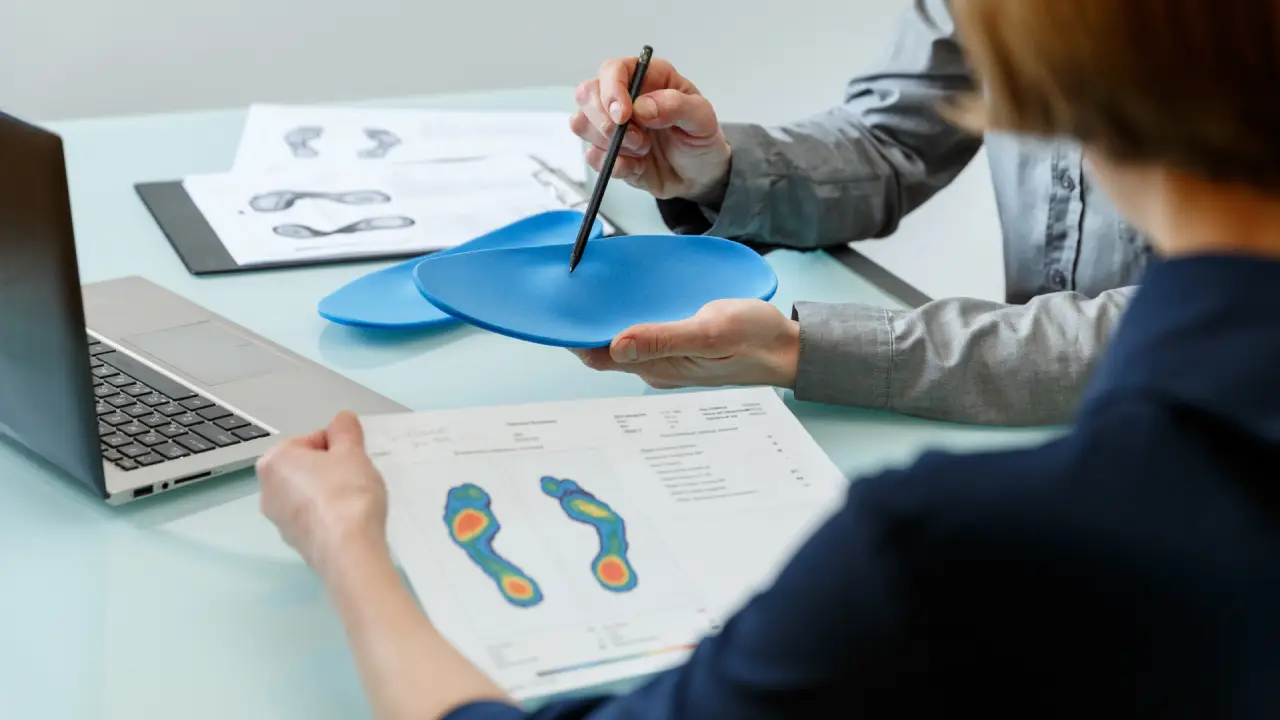
Improve foot health with custom orthotic therapy at The Port Physiotherapy & Massage in Calgary, AB. We provide gait analysis and inserts for your daily movement.
Read More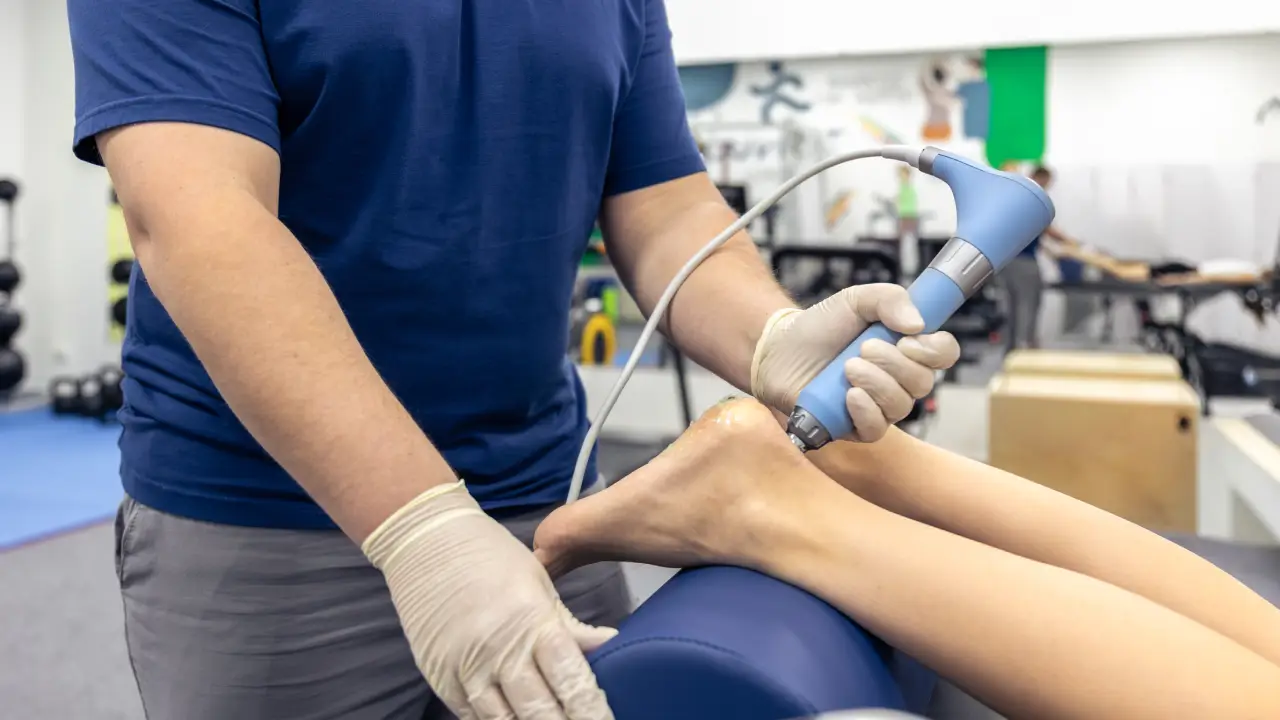
Visit The Port Physiotherapy & Massage, a Shockwave Therapy clinic in Calgary. We use advanced technology for chronic pain and injury recovery.
Read More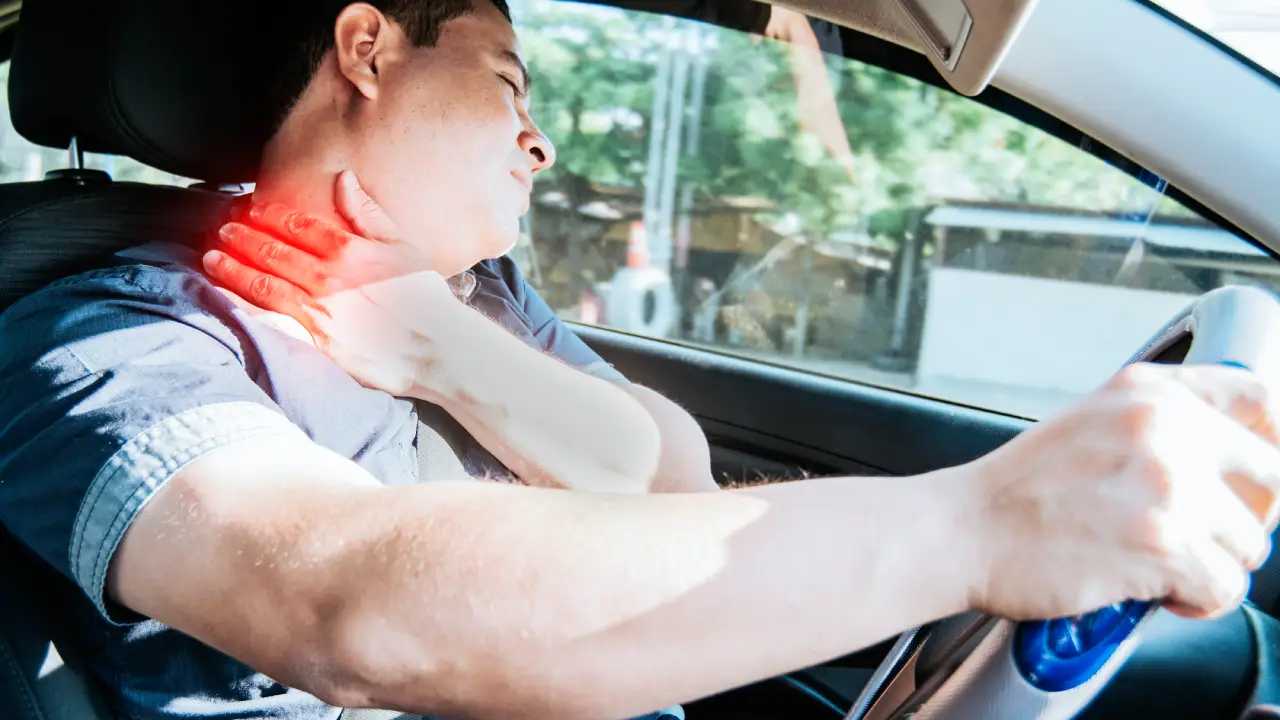
Recover from your Calgary motor vehicle accident with MVA Therapy at The Port Physiotherapy & Massage. We focus on whiplash and physical strain to restore function.
Read More
Find work-related treatment in Calgary at The Port Physiotherapy & Massage. We focus on recovery and injury prevention to help you return to your job safely.
Read More
Access Expert Physiotherapy Services in Calgary at The Port Physiotherapy & Massage. We focus on manual therapy and exercise to support your physical recovery.
Read More
Dedicated professionals promoting healing and mobility through personalized rehabilitation treatments.
Read More
Calgary chiropractor offering personalized care for pain relief, improved mobility, and overall wellness through spinal adjustments and rehabilitation.
Read More
Massage therapy proves effective in relieving diverse pains such as muscle tension, joint stiffness, and chronic conditions.
Read More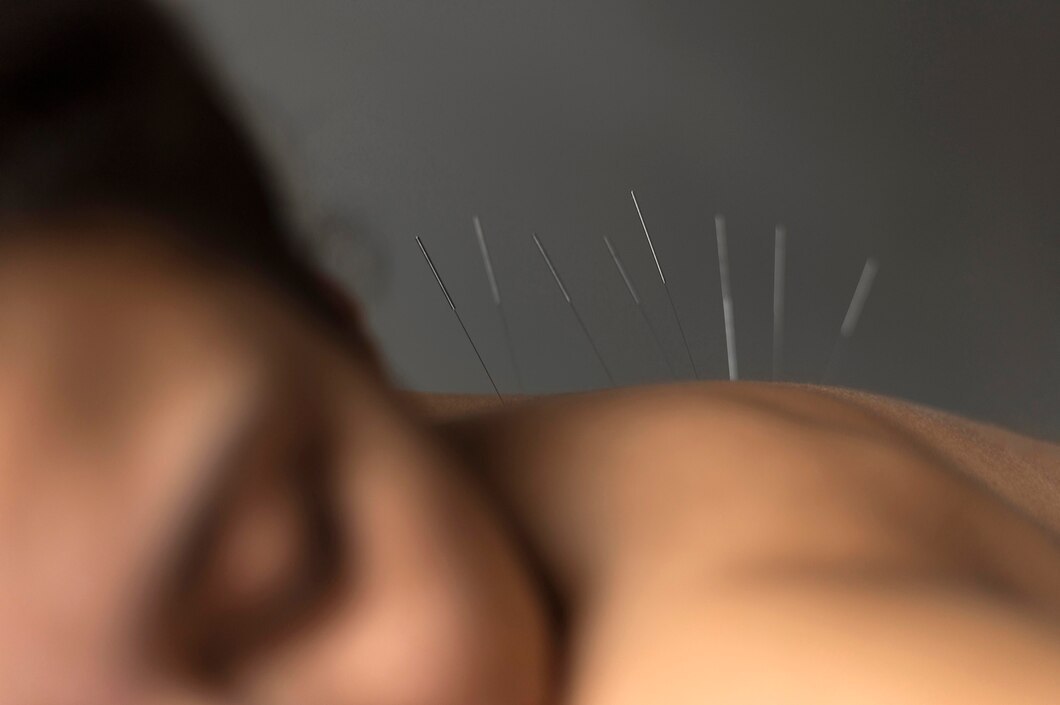
Traditional Chinese therapy using fine needles to stimulate specific points for pain relief and overall wellness.
Read More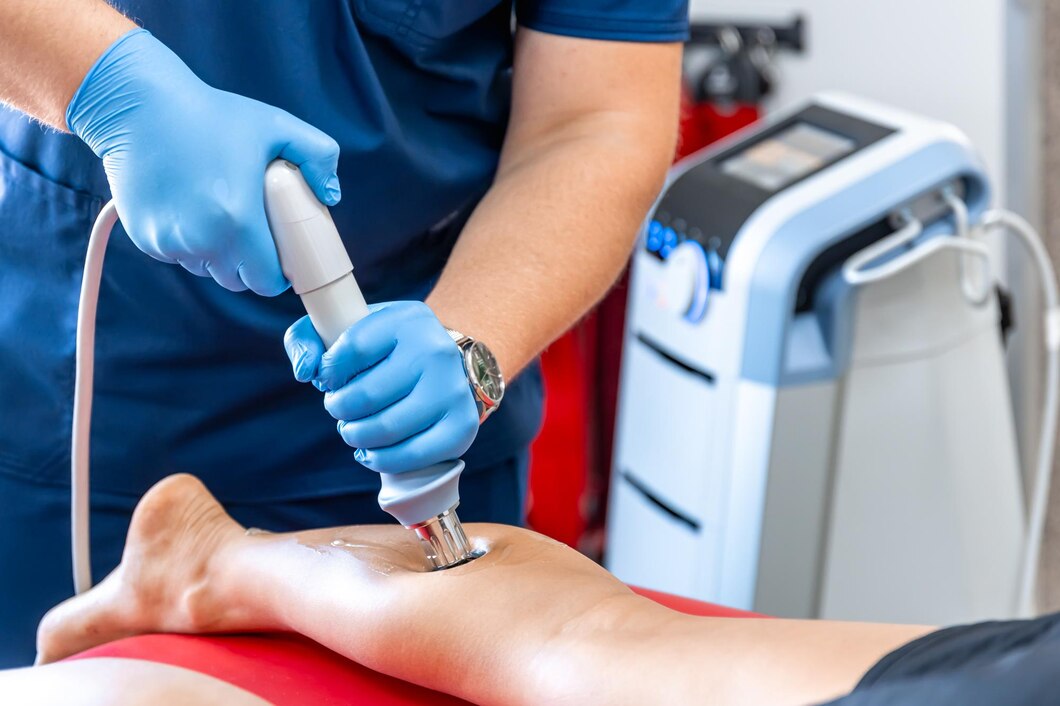
Experience accelerated healing and pain relief with shockwave therapy at The Port Physiotherapy and Massage in Calgary. Tailored care for you.
Read More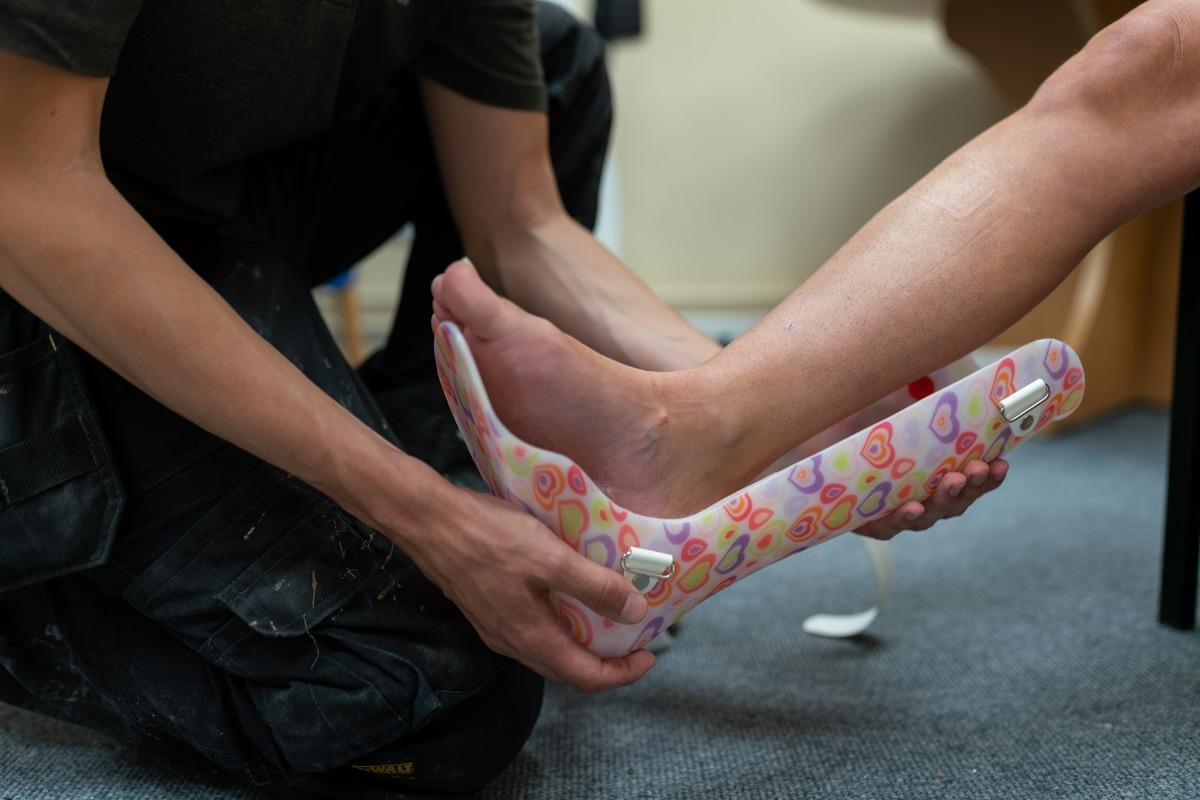
Custom orthotics alleviate various foot problems by providing tailored support and comfort for improved mobility.
Read More
Expert care for work-related injuries in Calgary at The Port Physiotherapy and Massage. Tailored treatments for swift recovery.
Read More
Calgary's premier therapy for motor vehicle accidents, promoting recovery, mobility, and well-being.
Read More
Expert relief for Temporomandibular Joint pain in Calgary at The Port Physiotherapy and Massage. Tailored therapy for lasting comfort.
Read More
Expert care for dizziness, vertigo, and concussion therapy in Calgary at The Port Physiotherapy and Massage. Specialized treatments for relief.
Read More
Calgary's premier clinic for expert pre and postnatal physiotherapy, ensuring optimal health and recovery for mothers at every stage.
Read More
Experience nurturing Prenatal and Infant Massage Therapy in Calgary, AB at The Port Physiotherapy and Massage Clinic. Tailored care for families.
Read More