Who Needs Custom Orthotics Therapy and How Do You Know If They’re Right for You?
- Thu Mar 19

Temporomandibular disorders (TMD) are characterized by persistent pain in the jaw, ear, or facial muscles, often accompanied by a popping or clicking sound or limited jaw Mobility. These issues are commonly associated with the temporomandibular joint (TMJ), which controls jaw movement. For effective Relief from TMJ pain, TMJ Pain Treatment offers specialized care to address these symptoms and improve jaw function.
TMD, then, refers to a group of diseases characterized by pain and dysfunction of the TMJ or surrounding muscles. It's always hard to figure out what’s causing these symptoms, but the good news is that most TMD cases resolve on their own with the help of conservative home therapies that many clinics offer. It is vital to exhaust all reversible options before choosing a permanent option, such as bridgework or surgery.
The TMJs are extremely intricate joints that allow three-dimensional movement. They connect your lower jaw, the mandible, to the temporal bone of your head on either side. Your lower jaw and temporal bone fit together like a ball and socket, thanks to a cushioning disc in between.
Large muscles in your cheeks and temples move the lower jaw. These components can induce TMD: the disc, muscles, or the joint itself. If you are having trouble opening or shutting your jaw, you must visit a physiotherapy clinic for a comprehensive examination to determine what’s causing the problem and receive the best treatment options.

Inflammation, strained tendons and ligaments, and disc problems can all affect the TMJ, just like any other joint. Physiotherapists know that genes, gender, and age influence TMD. Physical and psychological stress could play a role. In some cases, jaw pain may be linked to a more widespread, pain-inducing medical condition such as fibromyalgia. For those seeking relief, TMJ pain treatment offers specialized care to address the underlying causes and provide effective solutions for managing symptoms.
Some people with TMD hear a clicking, cracking, or grating sound from their TMJ when opening or closing their mouths. The disc migrating within the joint is usually the source of this. Someone standing near you might be able to hear it. According to studies, one-third of the population suffers from clicking jaw joints. If the popping sound is accompanied by pain or decreased jaw function, such as the jaw becoming trapped in an open or closed position, TMD is suspected. If you’re experiencing these symptoms, seeking TMJ Pain treatment can help address the underlying issues and alleviate discomfort.
The two large pairs of jaw-closing muscles are positioned in the cheekbones and temples. Thus, this can be felt there. You may experience soreness and stiffness from nighttime habits, such as clenching or grinding your teeth, when you get up in the morning. If you are struggling with this type of nocturnal habit, it may be a symptom of TMJ, and you will need a dentist to make you a nightguard to reduce the force on your teeth.
This will allow your muscles to relax and relieve strain on your jaw joints. If you need professional care, seeking TMJ pain treatment can help you find a solution that targets these issues and provides relief.
Arthritis of the TMJ refers to pain in one or both jaw joints. Some people have arthritic-looking TMJs but no symptoms of discomfort or dysfunction, whereas others have many signs of pain and dysfunction, but their joints appear normal on radiography. Although there is no cure for arthritis anywhere in the body, medicines can help alleviate arthritic symptoms. For those seeking Relief, TMJ pain treatment can provide various options to manage discomfort and improve joint function.
These are the treatments that are most commonly advised. Malocclusion, grinding, and clenching may be alleviated using worn oral equipment. It can also help stabilize the jaw and reduce jaw pain and discomfort. Stabilizing splints were shown to be useful for short-term TMJ management in a 2017 study by a Trusted Source. For those seeking Relief from TMJ pain, TMJ Pain treatment offers various solutions to help manage and reduce discomfort, including stabilizing splints and other therapies.
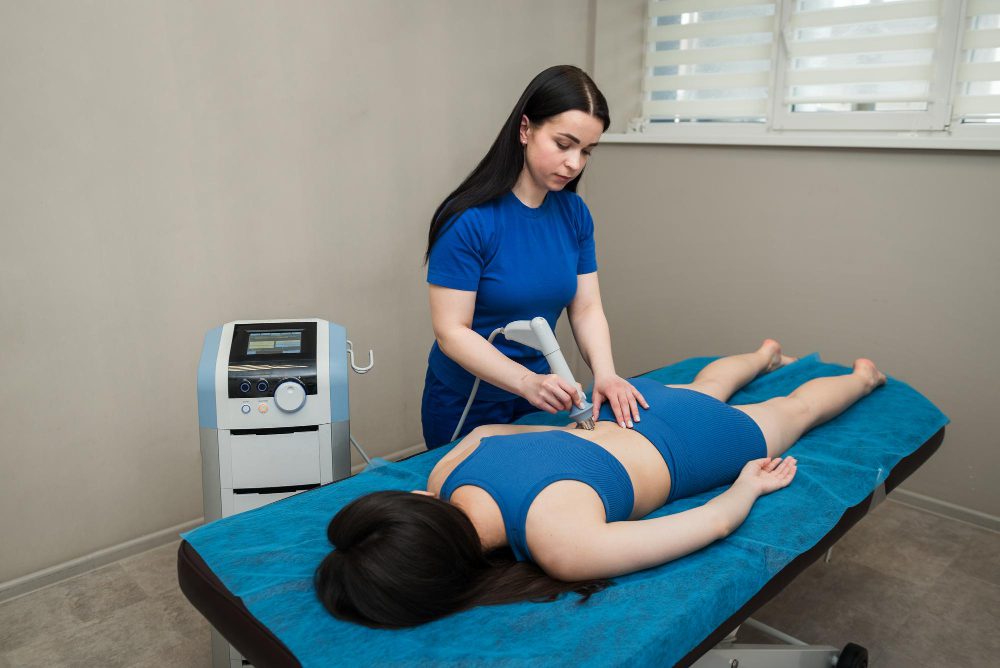
A physio can help you manage the underlying issues that cause TMJ using a variety of treatments. Heat and ice pack therapy, muscle release, stretching, and resistance exercises are used as treatments. Postural and jaw exercises were found to help treat TMJ in a 2016 study published by a renowned organization.
For those seeking TMJ pain treatment, there are chances of eliminating TMJ dysfunction and pain with physiotherapy, as it will have therapists use a range of exercises and approaches to addressing your symptoms. Exercises must improve the surrounding muscles’ strength while also assisting in the joint's flexibility and Mobility.
TMJ can be caused by stress or anxiety-related nail-biting, clenching, and grinding activities. Counselling and self-management-based therapies, according to a Trusted Source of Evidence, can be conservative and effective alternative treatments. If you’re looking for professional help, TMJ pain treatment offers a range of options to address the condition and improve your quality of life.
TMJ surgery is a drastic measure that should only be used as a last resort. TMJ parts can be repaired, relocated, and even removed and replaced in some circumstances. If you’re seeking Relief from TMJ-related issues, finding effective TMJ pain treatment can be an important step before considering Surgery. Jaw operations are performed under general anesthesia and require a longer recovery.
Injections might provide temporary Relief from TMJ symptoms. The minimally invasive procedure takes less than thirty minutes and requires no downtime. For those seeking TMJ pain treatment, corticosteroid injections can help relieve inflammation and chronic jaw pain. Botox can potentially be used to alleviate TMJ problems. It is a neurotoxin that paralyzes the jaw muscles, reducing clenching and relieving discomfort. Botox has a few side effects. However, it can induce a temporary 'fixed grin' due to the toxin’s paralyzing action.
Only when the above treatments have failed will more serious TMJ treatment alternatives be suggested. Although arthroscopy and arthrocentesis are minimally invasive procedures, they still take roughly a week to recuperate from.
An orthopedic surgeon performs arthroscopic procedures to aid in diagnosing TMJ issues. A small fibre-optic camera will be inserted into the jaw during the procedure. This allows the surgeon to investigate the causes of the jaw problems.
Arthrocentesis is similar to arthroscopy, except it is used for both diagnosis and treatment. A tiny needle and syringe are used to remove fluid from the jaw during this treatment. Draining fluid from the joint can help a doctor determine the cause of jaw swelling.
For those seeking more specialized options, TMJ Pain treatment offers access to advanced procedures that can be pivotal when conservative treatments have not provided Relief.
Treatments differ depending on the circumstances. Some people may use an oral appliance. Other people, on the other hand, require bite reconstruction. After that, many people seek orthodontic treatment. Find the physiotherapy clinic that offers TMJ Pain treatment as it can help you reduce your TMJ pain within a few days.