Expert Physiotherapy Services in Calgary Your Path to Better Movement and Recovery
- Wed Oct 14

Workplace injuries can affect employees across different industries, from office environments and construction sites to warehouses, healthcare facilities, and retail workplaces. Repetitive movements, prolonged sitting, heavy lifting, awkward postures, sudden movements, and workplace accidents can place considerable stress on muscles, joints, ligaments, and tendons. Although some injuries cause immediate discomfort, others develop gradually and may become noticeable only after several days or weeks.
Ignoring these physical changes can make everyday responsibilities more difficult. Activities such as walking, standing, bending, reaching, typing, carrying equipment, and lifting objects may become uncomfortable. Some employees continue working despite these symptoms, assuming that rest alone will resolve the problem. However, persistent discomfort, restricted movement, and recurring muscle tension may indicate an underlying injury that requires professional attention.
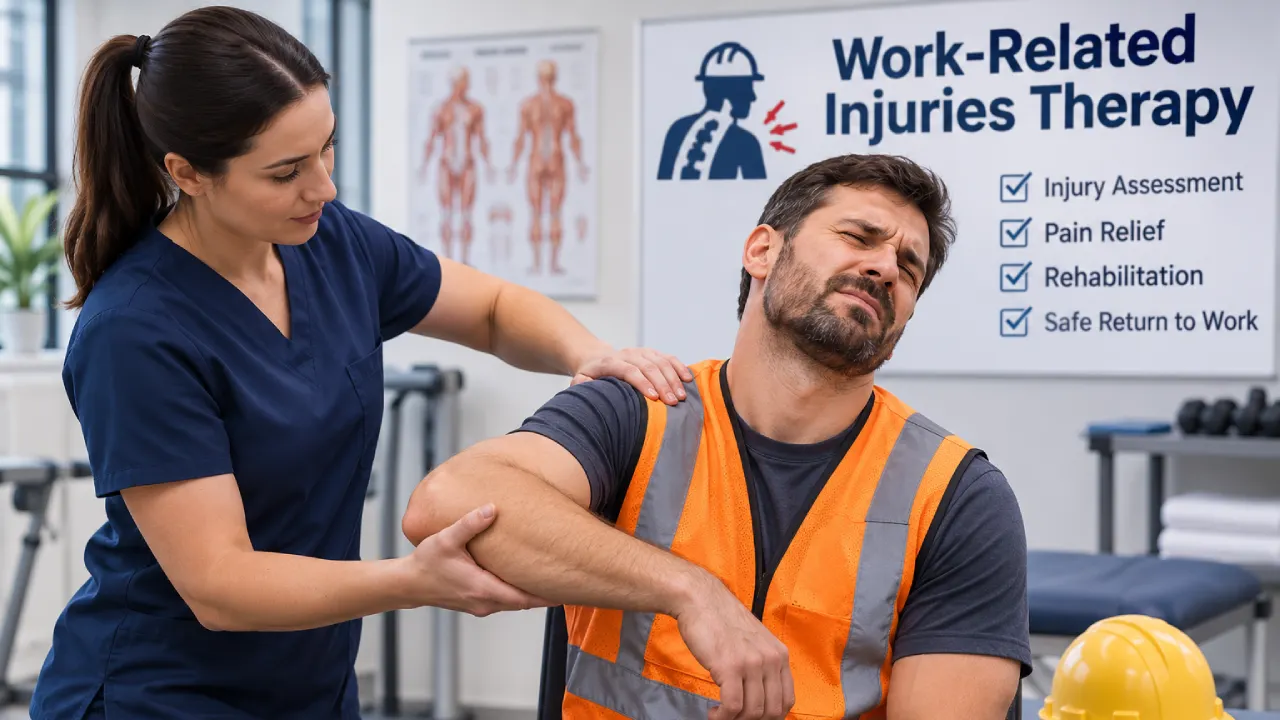
Work-related injury therapy can help employees address physical problems associated with workplace activities through physiotherapy assessments, movement exercises, manual therapy, and rehabilitation planning. These approaches focus on improving mobility, addressing muscle and joint limitations, and helping individuals manage the physical demands of their jobs.
For employees in Calgary, recognizing early warning signs is an important step towards addressing workplace injuries. The Port Physiotherapy & Massage provides physiotherapy services for individuals dealing with work-related physical conditions.
Workplace injuries do not always involve a sudden accident or obvious physical damage. Repetitive strain, poor ergonomics, prolonged positioning, and excessive physical demands can gradually affect different areas of the body.
Here are eight signs that may indicate it is time to seek professional physiotherapy attention.
Neck and shoulder discomfort is common among employees who spend extended periods sitting at desks, working with computers, carrying equipment, or performing repetitive upper-body movements.
Poor workstation positioning can place additional stress on the neck and shoulder muscles. For example, leaning towards a computer screen, keeping the shoulders raised while typing, or holding the head in one position for several hours may contribute to muscle tension.
Employees working in physically demanding occupations may also develop shoulder discomfort from repeatedly lifting, reaching, pushing, or carrying objects.
Common signs include:
Work-related injury therapy may address these concerns through movement assessments, manual therapy, stretching exercises, and strengthening activities. A physiotherapist can assess the affected areas and identify movements or postural habits that may contribute to the symptoms.
Employees may also receive advice about workstation positioning, movement breaks, and practical adjustments to reduce unnecessary strain during working hours.
Lower back problems are among the common physical complaints associated with workplace activities. Employees who regularly lift heavy objects, bend forward, twist their bodies, or remain seated for extended periods may place repeated stress on their lower backs.
Construction workers, warehouse employees, delivery personnel, office staff, and healthcare workers may encounter different workplace situations that contribute to back discomfort.
Some common warning signs include:
In some cases, discomfort may extend towards the buttocks or legs. Symptoms involving numbness, tingling, or weakness require medical assessment, particularly when they are sudden or progressive.
Work-related injury therapy can help address movement restrictions and muscle weakness associated with certain workplace-related back conditions. Physiotherapy may include mobility exercises, trunk strengthening, manual therapy, and education about lifting techniques.
Employees can also learn how to maintain appropriate body positioning while completing physically demanding tasks. These strategies may help reduce unnecessary strain during daily work activities.
Employees who perform repetitive hand and wrist movements may develop discomfort over time. Office workers who type frequently, cashiers who scan products, factory employees who operate equipment, and workers who use hand tools regularly may be affected.
Repeated gripping, typing, twisting, and handling small objects can place stress on the muscles, tendons, and other structures around the wrist and hand.
Watch for symptoms such as:
These symptoms should not be ignored, especially when they interfere with ordinary activities such as opening containers, holding a phone, writing, or handling workplace equipment.
Work-related injury therapy may involve assessing wrist movement, grip strength, and repetitive activity patterns. Depending on the findings, a physiotherapist may recommend gentle mobility exercises, strengthening activities, and changes to workplace positioning.
Early assessment can also help identify whether symptoms may be associated with conditions such as repetitive strain injuries or nerve compression.
Muscle stiffness after a demanding shift may occur when employees perform physically repetitive tasks or maintain the same posture for extended periods.
For example, construction workers may develop tightness after lifting materials, while office employees may notice stiffness in their backs, hips, and shoulders after sitting throughout the day.
Occasional muscle fatigue may settle with appropriate rest. However, recurring stiffness that interferes with movement deserves attention.
Common signs include:
Work-related injury therapy may help address these symptoms through mobility exercises, guided stretching, strengthening activities, and manual therapy where appropriate.
A physiotherapist can also assess whether muscle stiffness is connected to repetitive movements, insufficient movement variation, or physical demands associated with a particular job.
Joint movement limitations can make ordinary workplace activities increasingly difficult. Employees may notice that they cannot move their shoulders, knees, elbows, wrists, or ankles as freely as before.
For instance, a warehouse employee may find it difficult to squat while handling inventory. An office worker may struggle to turn the neck comfortably while checking a second monitor. A construction worker may notice difficulty reaching overhead or climbing ladders.
Possible warning signs include
Reduced joint mobility can develop after an injury, repetitive strain, inflammation, or prolonged inactivity.
Physiotherapy can help identify which movements are restricted and what structures may be contributing to the limitation. Depending on the assessment, treatment may involve joint mobility exercises, controlled stretching, strengthening activities, and functional movement training.
Addressing restricted movement can help employees perform ordinary job duties with improved control.
Some employees develop recurring headaches alongside neck and upper shoulder tension. Long hours at a computer, forward-head posture, prolonged screen use, and repetitive upper-body positioning may contribute to muscle-related discomfort.
Employees may notice symptoms towards the end of a working day, particularly after extended periods of sitting or concentrating on screens.
Signs may include:
Not every headache is related to workplace posture or muscle tension. Sudden, severe, unusual, or rapidly worsening headaches require prompt medical assessment. Headaches accompanied by weakness, vision changes, confusion, or other neurological symptoms also require urgent attention.
For headaches associated with musculoskeletal problems, physiotherapy may include neck mobility exercises, postural assessment, strengthening activities, and advice about workstation positioning.
A physiotherapist can assess whether neck movement restrictions or muscle tension may be contributing to the symptoms and recommend an appropriate care plan.
Workplace injuries can also affect the lower body, especially among employees who spend many hours standing, walking, climbing stairs, kneeling, or carrying heavy materials.
Retail employees, healthcare workers, warehouse staff, delivery personnel, and construction workers may experience repeated loading on their lower-body joints.
Possible warning signs include
These symptoms may be associated with muscle strain, tendon problems, joint irritation, or other musculoskeletal conditions.
Work-related injury therapy can help employees address lower-body movement problems through strength assessments, balance exercises, mobility activities, and functional rehabilitation.
For example, a physiotherapist may assess how an employee walks, stands, climbs stairs, or performs squatting movements. This assessment can help identify strength or movement limitations that may contribute to discomfort.
The rehabilitation plan may then focus on improving lower-body strength, movement coordination, and tolerance for work-related activities.
One important warning sign is discomfort that repeatedly returns whenever you resume your usual work activities.
Some employees notice that their symptoms improve during weekends or holidays but return after completing a few shifts. This pattern may indicate that certain workplace movements, physical demands, or postural habits are contributing to the problem.
Examples include
When symptoms repeatedly return, simply resting between shifts may not address the underlying movement or strength limitations.
Work-related injury therapy can help identify possible contributing factors through a physical assessment and discussion of workplace responsibilities.
A physiotherapist may recommend exercises, movement adjustments, and activity modifications based on the employee’s condition and job requirements. Workplace ergonomic changes may also be considered where appropriate.
Employees should also discuss recurring symptoms with their healthcare provider, particularly when they are becoming more frequent or interfering with daily activities.
Workplace injuries can involve different muscles, joints, tendons, ligaments, and other body structures. Since each employee has different physical demands and symptoms, physiotherapy begins with an assessment of the affected area and the activities associated with the injury.
Work-related injury therapy may help address workplace-related physical conditions through several physiotherapy approaches.
The initial assessment helps a physiotherapist examine the affected body area, movement patterns, strength, flexibility, and functional limitations.
Employees may also be asked about their job responsibilities, working hours, repetitive activities, and the circumstances surrounding the injury.
This information helps establish whether symptoms may be associated with lifting, prolonged sitting, repetitive movements, or another workplace activity.
Workplace injuries can restrict movement and make ordinary activities difficult. Physiotherapy may include guided mobility exercises and stretching activities to address stiffness and restricted joint movement.
For example, employees with shoulder limitations may perform controlled shoulder movements, while those with lower back stiffness may practice suitable mobility exercises.
The exercises are selected according to the assessment findings and the individual’s physical capacity.
Muscle weakness can affect how the body handles workplace demands. Strengthening exercises may help improve the capacity of muscles surrounding affected joints.
A rehabilitation plan may include:
Exercise intensity should be adjusted according to symptoms, physical ability, and rehabilitation progress.
Manual therapy may be used as part of a physiotherapy program when clinically appropriate.
Depending on the injury, this may include soft tissue techniques, joint mobilization, and guided movement activities.
These approaches may help address certain movement restrictions and muscle tension while working alongside active rehabilitation exercises.
Workplace habits can contribute to recurring musculoskeletal problems. Physiotherapists may discuss practical adjustments that help employees manage their daily responsibilities.
Examples include
Such adjustments may help reduce unnecessary physical strain during working hours.
Returning to regular duties after an injury may require a gradual approach. Employees recovering from workplace injuries may initially struggle with lifting, walking, standing, bending, or repetitive movements.
Physiotherapy can help assess functional abilities and develop a progression of suitable exercises.
Where appropriate, a physiotherapist may also communicate functional recommendations that can assist employees and employers in considering temporary workplace modifications.
The pace of returning to normal duties depends on the injury, symptoms, job requirements, and advice from the treating healthcare professionals.
Recognizing workplace risk factors can help employees identify activities that may contribute to physical strain.
Some common factors include:
Prolonged sitting: Remaining seated for several hours may contribute to stiffness and discomfort in the neck, shoulders, hips, and lower back.
Repetitive movements: Frequent typing, gripping, lifting, reaching, and twisting can place repeated stress on particular muscles and joints.
Heavy lifting: Incorrect lifting techniques, excessive loads, and repeated carrying may contribute to back, shoulder, and other musculoskeletal injuries.
Awkward postures: Working with bent wrists, raised shoulders, twisted backs, or extended arms may increase physical strain.
Extended standing: Remaining on your feet for long periods may contribute to discomfort in the feet, ankles, knees, hips, and lower back.
Insufficient movement breaks: Staying in one position throughout the day may contribute to stiffness and muscle fatigue.
Identifying these factors is an important part of workplace injury prevention. Employers and employees can work together to review job demands, workstation arrangements, and appropriate safety practices.
Not every workplace ache requires immediate physiotherapy, but persistent or recurring symptoms should not be ignored.
Consider arranging a professional assessment if:
Seek urgent medical attention following a serious injury, suspected fracture, significant swelling, sudden weakness, or new loss of sensation. New bladder or bowel control problems alongside back symptoms also require emergency assessment.
Early medical assessment can help determine the nature of an injury and whether physiotherapy is appropriate.
Employees dealing with workplace injuries may need help addressing movement limitations, muscle tension, joint stiffness, and difficulties with daily activities.
The Port Physiotherapy & Massage in Calgary provides physiotherapy and massage services for individuals dealing with different musculoskeletal concerns.
A physiotherapy visit may involve an assessment of the affected body area, a discussion of work-related activities, and recommendations based on physical findings.
The clinic can help individuals explore appropriate physiotherapy approaches for concerns involving the neck, shoulders, back, wrists, hips, knees, and other areas affected by workplace activities.
Whether your symptoms developed gradually through repetitive tasks or followed a workplace incident, discussing your concerns with a qualified physiotherapist can help determine appropriate next steps.
Common workplace injuries include lower back strains, neck and shoulder discomfort, wrist and hand conditions, knee problems, muscle strains, tendon injuries, and repetitive strain conditions. The type of injury often depends on job responsibilities, physical demands, workplace positioning, and repeated movements.
The duration varies according to the injury, symptom severity, physical condition, and response to rehabilitation. Some employees may require a few sessions, while others with more complex injuries may need a longer rehabilitation program. A physiotherapist can discuss an estimated treatment schedule after an initial assessment.
Yes. Physiotherapy may help address certain repetitive strain conditions through movement assessments, strengthening exercises, mobility activities, manual therapy, and ergonomic advice. The appropriate approach depends on the affected body structures and the individual’s symptoms.
Some employees can continue working while attending physiotherapy, depending on their injury and job responsibilities. However, temporary changes to work duties, lifting requirements, or working positions may be necessary. Follow the advice of your treating healthcare professional and discuss suitable workplace adjustments with your employer.
Consider arranging a physiotherapy assessment when discomfort, stiffness, restricted movement, or weakness continues to affect your work or everyday activities. Serious injuries and symptoms such as sudden weakness, significant swelling, or loss of sensation require medical assessment before proceeding with routine physiotherapy.
Workplace injuries can affect your ability to complete everyday tasks, maintain comfortable movement, and manage your regular job responsibilities. Recognizing warning signs early can help you take appropriate steps towards addressing physical concerns.
If you are dealing with neck stiffness, back discomfort, wrist problems, joint limitations, or recurring muscle tension associated with your job, consider discussing your symptoms with a physiotherapist.
The Port Physiotherapy & Massage in Calgary provides physiotherapy services for individuals dealing with workplace-related musculoskeletal concerns. Contact the clinic to discuss your symptoms and arrange an appointment.
Phone: +1 403-567-0189
Address: 4250 109 Ave NE #3130, Calgary, AB T3N 1M7, Canada