7 Common Triggers That Can Increase the Need for TMJ pain treatment
- Fri Sep 11

Your feet play an important role in walking, working, exercising, and everyday activities. Changes in foot mechanics can sometimes contribute to discomfort in the feet, ankles, knees, hips, or lower back.
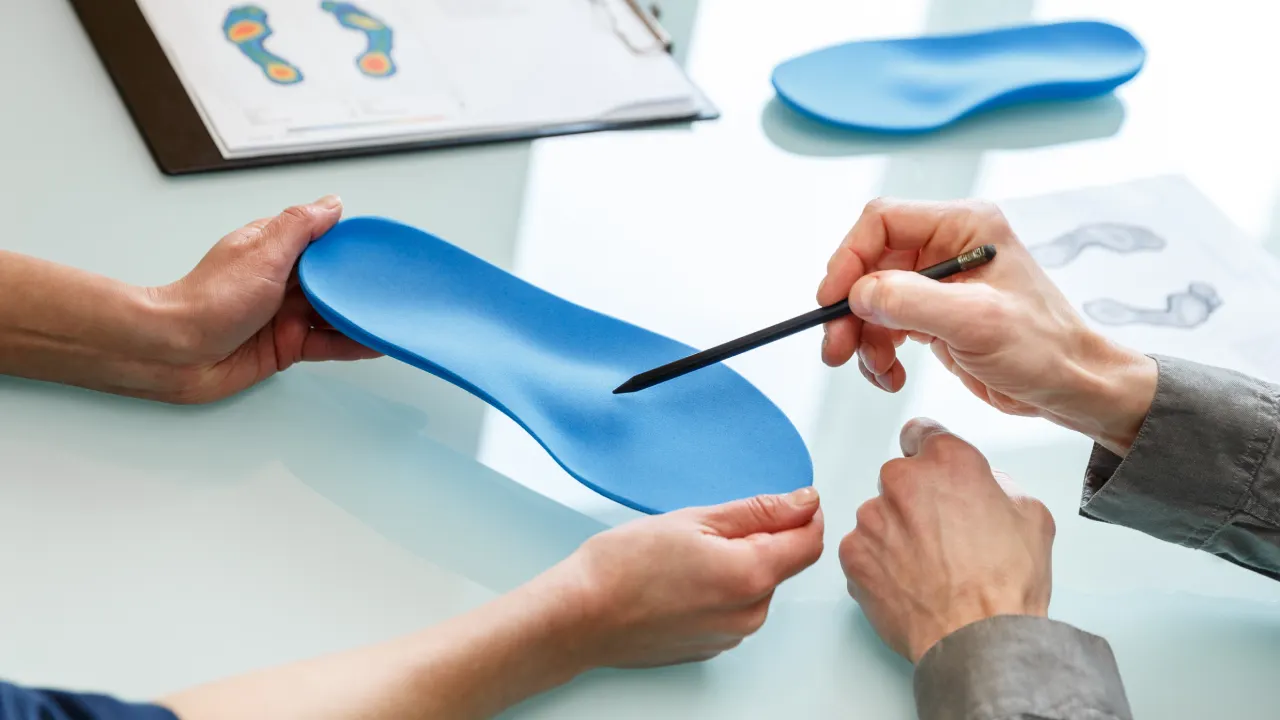
Custom Orthotic Therapy may be considered when foot structure, gait, or movement patterns are linked to ongoing symptoms. Unlike standard shoe inserts, custom orthotics are made based on an assessment of your feet and movement. The Port Physiotherapy & Massage in Calgary uses foot assessment and gait analysis when evaluating orthotic needs.
If you have recurring discomfort or changes in the way you walk, an assessment can help determine whether orthotics may be suitable for you. Here are seven signs to consider.
Recurring foot discomfort may occur after walking, standing, exercising, or spending long hours on your feet. It can be linked to foot mechanics, footwear, overuse, or other conditions.
Custom Orthotic Therapy may be considered when foot mechanics contribute to your symptoms. An orthotic can provide support within the shoe as part of a physiotherapy plan.
The Port provides orthotics for concerns such as plantar fasciitis, bunions, flat feet, high arches, neuroma, foot injuries, and Achilles tendinopathy.
Some inward or outward foot movement is normal, but pronounced movement may affect how forces travel through your ankles and legs.
A clinician can assess your gait, foot position, footwear, and joint movement to identify possible contributing factors.
Custom Orthotic Therapy may be considered when added support or load distribution is needed. The Port uses gait and biomechanical assessment as part of its Calgary orthotics service.
.
Flat feet and high arches are common and do not always require orthotics. What matters is whether your foot structure contributes to discomfort, fatigue, or activity limitations.
If your foot shape affects how you walk or distribute weight, Custom Orthotic Therapy may be considered. A clinician can assess your feet during movement and determine whether orthotics may fit into your care plan.
Uneven wear on your shoes may offer clues about how your feet move and distribute weight while walking. You may notice more wear on the inside or outside of the heel or sole.
While this does not always indicate a concern, a physiotherapist can assess your gait, foot position, joint movement, and footwear to identify possible contributing factors.
Custom Orthotic Therapy may be considered when foot mechanics are linked to your symptoms. Orthotics can be used alongside exercises, footwear changes, activity adjustments, or other physiotherapy care.
Calgary residents may spend long periods standing at work, walking between appointments, commuting, exercising, or managing physically demanding routines. When symptoms increase with time spent on your feet, it can be useful to examine how your feet respond to repeated loading.
You may notice aching, fatigue, pressure, or discomfort that gradually increases throughout the day. If these symptoms occur frequently, an assessment can help identify whether footwear, foot mechanics, muscle capacity, or another factor is involved.
Custom Orthotic Therapy may have a role when the foot requires additional support during weight-bearing activity. The orthotic prescription should follow an assessment rather than being based solely on the presence of foot discomfort.
The body works as a connected movement system. Changes in the way your feet interact with the ground can influence movement farther up the leg.
For some people, foot mechanics may be one factor among several contributing to knee, hip, or lower-back symptoms. This does not mean that every knee or back problem starts in the feet.
A clinical assessment can help determine whether there is a meaningful connection between your symptoms and lower-limb mechanics.
Custom Orthotic Therapy may be included when foot mechanics are identified as one factor worth addressing. The Port states that its orthotics service considers the relationship between foot arrangement, function, and the rest of the body.
Active people place repeated demands on their feet. Running, court sports, hiking, gym workouts, and recreational activities can all involve substantial loading.
If the same foot issue repeatedly interrupts your routine, it may be worth looking beyond the immediate symptoms. Footwear, training volume, strength, mobility, recovery, technique, and biomechanics can all play a role.
Custom Orthotic Therapy may be considered as one component of an activity-focused care plan when an assessment identifies a relevant foot or movement factor.
The goal is not to rely on an orthotic indefinitely without review. Instead, the device can be combined with exercises, footwear changes, and other appropriate interventions based on your needs.
Before deciding whether orthotics are appropriate, it helps to know what the process generally involves.
Orthotics should follow an assessment rather than being selected solely from a shelf. A clinician may review your symptoms, activity level, footwear, foot structure, walking pattern, joint movement, and other relevant factors.
At The Port, the orthotics process includes foot assessment and gait analysis.
Store-bought insoles are made around general foot shapes and common support needs. Custom orthotics are produced from information gathered during an assessment.
That distinction does not mean a custom device is necessary for every person. In some cases, footwear changes, exercises, activity modification, or a standard insert may be appropriate.
An orthotic needs to work with your footwear and daily activities. Shoe size, available space, activity type, and the construction of the shoe can all affect how an orthotic fits.
Bringing commonly worn footwear to an assessment can help the clinician consider how the device will function in your routine.
A new orthotic may feel different from a standard insole. Your feet and legs may need time to adjust to the new contact and support.
Following the wearing instructions provided by your clinician can make the transition easier. If the device causes persistent discomfort, contact the clinic rather than continuing to wear it without review.
Orthotics are not always a stand-alone intervention. Depending on your situation, a physiotherapist may also recommend exercises, footwear changes, mobility work, strength training, activity modifications, or other treatments.
This broader approach can address factors that an insert alone cannot change.
Your symptoms, activity level, footwear, and response to the device can change over time. Follow-up allows the clinician to review how the orthotic is working and determine whether adjustments or other interventions are appropriate.
The Port states that its orthotics process includes follow-up after fitting.
An office worker, warehouse employee, runner, and recreational hiker may place very different demands on their feet.
When discussing orthotics, tell your clinician what you actually do during a typical week. Information about work, sport, exercise, footwear, and walking habits can help inform the assessment.
Having flat feet, high arches, or a particular foot shape does not automatically mean you need orthotics.
The key question is whether your symptoms, movement patterns, and functional goals indicate that an orthotic may have a useful role. A clinical assessment can help answer that question.
People with recurring foot symptoms, certain gait or foot-mechanics concerns, persistent problems during standing or walking, or activity-related foot issues may be considered for orthotics. However, suitability depends on an assessment. Not every person with foot discomfort requires a custom device.
Regular inserts are manufactured around common foot shapes and general support needs. Custom orthotics are created using information gathered from an assessment of your feet and movement. The Port reports using gait analysis and foot assessment as part of its Calgary orthotics service.
Foot mechanics can sometimes influence movement through the lower limbs. If an assessment identifies the feet as one contributing factor, orthotics may be considered as part of a broader treatment plan. They are not a universal solution for knee or lower-back problems.
Adjustment varies from person to person. Your clinician will generally provide instructions for introducing the device gradually. If you develop ongoing discomfort, pressure, or other concerns, contact the clinic for a review.
The Port Physiotherapy & Massage provides orthotics services at 4250 109 Ave NE, Unit 3130,Calgary, Alberta. Its listed hours are Monday through Saturday, with hours varying by day, and the clinic can be reached at 403-567-0189.
If recurring foot symptoms, uneven shoe wear, standing discomfort, or activity-related problems are affecting your routine, an assessment can help clarify what may be contributing to them.
The Port Physiotherapy & Massage in Calgary provides orthotics services that include gait analysis and foot assessment. A clinician can review your symptoms, movement patterns, footwear, and activity demands and determine whether an orthotic has a place in your care.
Call 403-567-0189 or visit us at 4250 109 Ave NE, Unit 3130, Calgary, Alberta, to ask about an orthotics assessment.