7 Common Triggers That Can Increase the Need for TMJ pain treatment
- Fri Sep 11

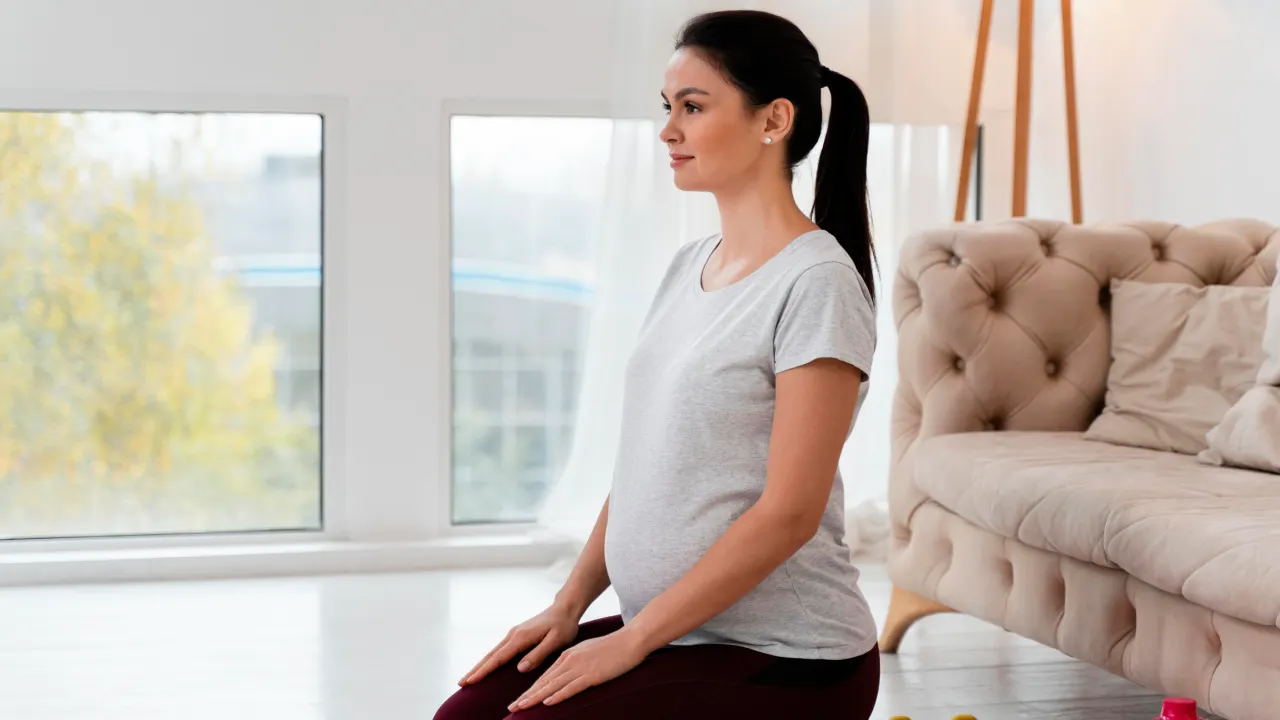
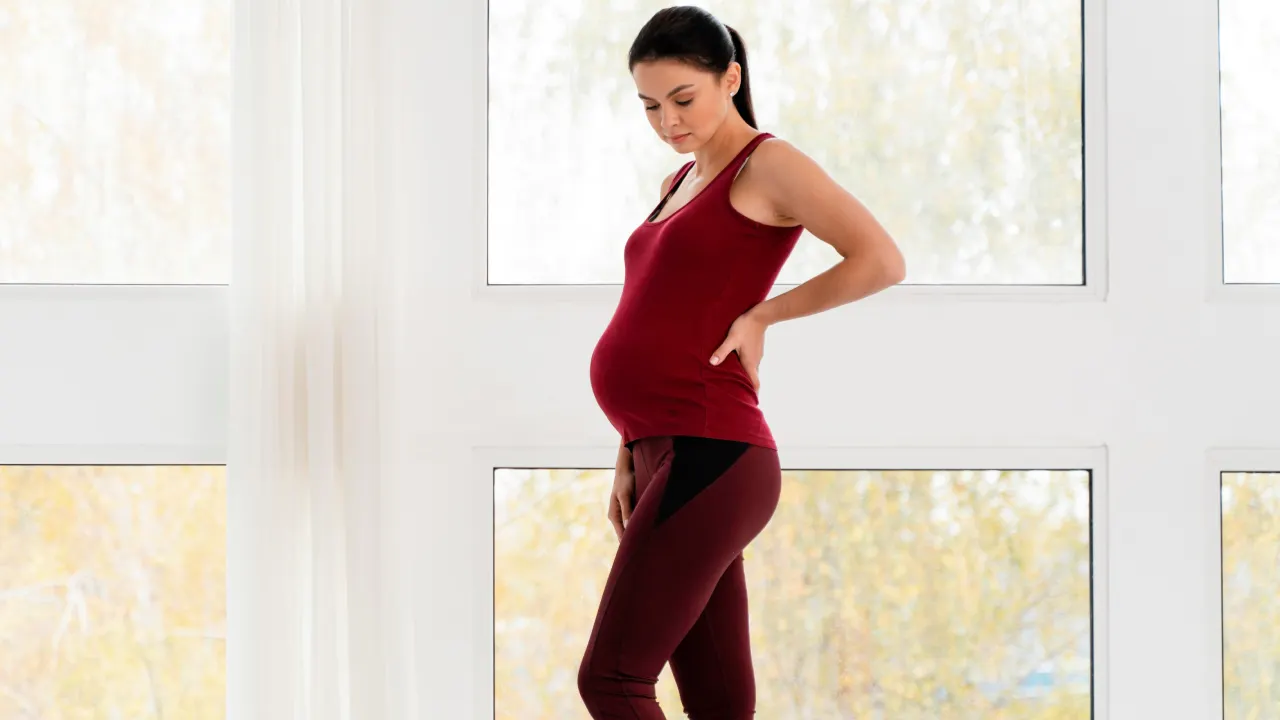
Pregnancy brings many physical and emotional changes as the body adapts to support a growing baby. Changes in posture, balance, muscle activity, energy levels, sleep, and daily movement can occur throughout pregnancy. After childbirth, the body continues to adjust as tissues recover and new mothers adapt to feeding, lifting, carrying, walking, and caring for their newborn.
Safe care during this period can help mothers make informed choices about movement, daily activities, rest, and physical recovery. Every pregnancy is different, so care should be based on individual needs, medical history, stage of pregnancy, and recommendations from a qualified healthcare provider.
For women in Calgary, having access to appropriate support during pregnancy and after childbirth can make it easier to address physical changes while maintaining suitable daily routines. Pre- and Post-Natal Pregnancy care may include movement education, exercise planning, posture awareness, pelvic health support, and strategies for managing common physical challenges.
One of the first steps in safe pregnancy care is paying attention to changes in how your body feels and moves. Pregnancy can affect the spine, pelvis, hips, abdomen, legs, and feet. As the baby grows, the body’s centre of gravity can shift, which may influence balance and posture.
Some women notice changes such as
These changes do not necessarily indicate a serious problem, but they can affect everyday activities. Instead of pushing through significant discomfort, it is important to discuss persistent or concerning symptoms with an appropriate healthcare provider.
During pre- and Post-Natal Pregnancy care, physical activities may be adjusted according to the mother’s current stage of pregnancy and overall condition. A movement routine that feels manageable during one trimester may need modification later as the body changes.
After childbirth, similar awareness remains important. New mothers may spend extended periods sitting while feeding, repeatedly lifting the baby, carrying equipment, bending over a crib, or standing for household tasks. These repeated movements can place additional demands on the back, neck, shoulders, wrists, and hips.
Learning to recognize physical changes early can help mothers decide when to modify an activity or seek professional assessment.
Movement can remain an important part of pregnancy for many women, provided it is appropriate for their health status and approved by their healthcare provider. Activities may include walking, gentle mobility exercises, strength exercises, breathing work, and other forms of physical activity suited to the pregnancy.
The goal is not to maintain the same exercise routine throughout pregnancy. Instead, activity can be adjusted as the body changes.
For example, a woman who regularly exercises before pregnancy may need to change exercise intensity, duration, position, or technique as pregnancy progresses. Someone who was less active before pregnancy may begin with simple, manageable activities after discussing them with a healthcare provider.
A safe movement routine may focus on:
Pre- and Post-Natal Pregnancy care can help mothers identify suitable movement strategies for daily activities. This may include advice related to getting in and out of bed, standing from a chair, walking, lifting, reaching, and changing positions.
After childbirth, movement may gradually return according to the type of delivery, medical considerations, symptoms, and healthcare recommendations. Some women may resume certain activities relatively soon, while others may require more time and gradual progression.
New mothers should not compare their recovery timeline with someone else’s. The body can recover at different rates, and professional assessment can help determine what activities are appropriate at each stage.
Posture can become increasingly important during pregnancy because the growing abdomen can change the position of the pelvis and spine. Many women naturally adjust the way they stand, walk, sit, and sleep.
There is no single perfect posture that every pregnant woman must maintain. Instead, changing positions regularly and avoiding prolonged static positions may help reduce unnecessary strain.
Simple habits can include:
At home or work in Calgary, these small adjustments can become part of a practical pregnancy routine.
After delivery, posture remains relevant because newborn care involves many repetitive tasks. Feeding, changing diapers, bathing the baby, lifting a car seat, and carrying the baby can place repeated demands on the body.
During pre- and Post-Natal Pregnancy care, mothers can learn ways to make these everyday activities more manageable. For example, when feeding, positioning the baby and using appropriate support may reduce the need to lean forward for extended periods.
When lifting a baby or other household item, keeping the load close to the body and using controlled movement may reduce unnecessary strain. Mothers should also avoid rushing, particularly when exhausted.
Good body mechanics do not mean maintaining one rigid position. Comfort, movement variety, and appropriate support all have a role in daily physical care.
Pregnancy and childbirth can place significant demands on the pelvic floor and abdominal region. The pelvic floor consists of muscles and connective tissues that support pelvic organs and contribute to bladder and bowel control.
Pregnancy itself can affect pelvic floor function because of hormonal changes, increasing body weight, and pressure from the growing baby. Vaginal childbirth can add further physical demands, while caesarean delivery also involves abdominal tissue and surgical recovery.
Some women may notice:
These symptoms should not simply be dismissed as an unavoidable part of motherhood. A qualified healthcare professional can assess concerns and determine whether further care is appropriate.
Pre- and Post-Natal Pregnancy support may include education about pelvic floor function, breathing, posture, movement, and gradual return to activity when clinically appropriate.
Core training during pregnancy also needs to be approached carefully. Traditional abdominal exercises may not be suitable for everyone at every stage. After childbirth, exercise progression should take into account delivery type, symptoms, tissue recovery, and medical recommendations.
Rather than rushing into demanding workouts, new mothers can focus on gradual movement and functional activities. Carrying the baby, walking, getting up from a chair, and returning to household routines can all require physical capacity.
A gradual approach allows mothers to pay attention to how their bodies respond as activity increases.
Pregnancy and the early months after childbirth can be physically demanding. Sleep may become disrupted, energy levels may fluctuate, and daily responsibilities can increase considerably after a baby arrives.
Rest is therefore an important part of physical care.
During pregnancy, rest may include changing positions, taking breaks during the day, adjusting activity levels, and finding comfortable sleeping arrangements based on healthcare recommendations.
After delivery, mothers may need to balance recovery with newborn care. This can be challenging because feeding, changing, carrying, and household responsibilities may continue even when the mother feels exhausted.
During pre- and Post-Natal Pregnancy care, physical activity should be balanced with appropriate recovery time. A gradual increase in activity can be more suitable than suddenly returning to demanding exercise or physically intensive household work.
Professional check-ins can also help identify concerns that require additional assessment. Depending on symptoms and circumstances, a healthcare provider may recommend physiotherapy, pelvic health assessment, medical review, or other forms of care.
Mothers should seek urgent medical attention for warning signs such as severe or sudden pain, heavy bleeding, difficulty breathing, chest pain, fainting, severe headache, significant swelling, or other symptoms that a healthcare provider has identified as concerning.
The transition into motherhood involves much more than pregnancy and childbirth. New mothers often need to adapt to new physical routines while managing feeding, lifting, carrying, sleeping changes, and household responsibilities.
Pre- and Post-Natal Pregnancy care can support this transition by focusing on practical movement and physical function.
Depending on individual needs, care may address:
Simple movement strategies can help mothers approach common activities such as walking, standing, sitting, reaching, and lifting with greater body awareness.
Mothers may spend significant periods sitting while feeding or holding their babies. Positioning strategies can help reduce prolonged strain on the neck, shoulders, back, and hips.
Education about pelvic floor muscles may help mothers recognize changes in bladder control, pelvic pressure, and other pelvic health concerns that may require assessment.
Returning to exercise is not necessarily an all-or-nothing process. Activity can progress gradually according to recovery status and healthcare recommendations.
Newborn care requires repeated lifting, carrying, reaching, and changing positions. Appropriate movement and strengthening activities can help mothers prepare for these everyday physical demands.
Some women may feel uncertain about what activities are suitable after childbirth. A professional assessment can provide information about current movement capacity and identify areas that may need attention.
The Port in Calgary can be part of a mother’s care team by providing pregnancy- and postpartum-focused support based on individual circumstances. Any exercise or physical care plan should take medical recommendations and personal recovery needs into account.
There is no single point at which every mother should seek physical care. Some women may seek support during pregnancy to remain active and manage changing physical demands. Others may seek assessment after childbirth because of discomfort, movement difficulties, pelvic floor concerns, or challenges returning to everyday activities.
Reasons to consider an assessment may include:
Pre- and Post-Natal Pregnancy care can also be useful for mothers who simply want information about movement during pregnancy or the gradual transition back to physical activity after childbirth.
The timing and type of care should always take the mother’s health status and medical recommendations into account.
Calgary mothers may have busy schedules involving work, commuting, household responsibilities, appointments, and family commitments. Adding pregnancy or postpartum care to an already full routine can feel challenging.
A practical routine does not have to involve long periods of exercise. Small habits throughout the day can contribute to regular movement.
For example, a mother might:
The aim is to create habits that fit realistically into daily life rather than adding unnecessary pressure.
Pregnancy and postpartum exercise should not follow a one-size-fits-all plan. Factors such as pregnancy stage, delivery method, previous activity level, medical history, symptoms, and recovery status can influence what activities are appropriate.
Before beginning or changing an exercise routine, speak with your physician, midwife, physiotherapist, or another qualified healthcare provider as appropriate.
During pre- and Post-Natal Pregnancy care, professional assessment may help identify suitable activities and modifications. Mothers should also follow any restrictions or recommendations provided by their medical team.
Stop an activity and seek medical advice if exercise causes concerning symptoms or if something feels significantly different from your usual response to it.
The timing varies from person to person. Some women seek support early in pregnancy, while others begin when physical changes become more noticeable. Your physician or midwife can advise whether physical activity or physiotherapy is appropriate based on your pregnancy and health status.
Many women can remain physically active during pregnancy, but the type, intensity, and duration of activity may need to change. Speak with your healthcare provider before starting a new exercise program or making major changes to your existing routine.
No. Postpartum physiotherapy may also address pelvic floor function, movement, strength, posture, return to exercise, and everyday activities. Assessment can help identify areas that may need attention even when significant discomfort is not present.
There is no universal timeline. Recovery can vary depending on delivery type, pregnancy circumstances, symptoms, medical factors, and activity history. Your healthcare provider can advise when and how to progress physical activity.
Mention any concerns affecting your daily activities, including bladder changes, pelvic pressure, abdominal concerns, back or pelvic discomfort, difficulty lifting, reduced activity tolerance, or uncertainty about returning to exercise. Sharing these details can help the provider assess your needs.
Pregnancy and childbirth can bring significant changes to movement, posture, strength, pelvic health, and daily routines. Paying attention to these changes and seeking appropriate professional support can help mothers make informed choices about physical activity and recovery.
At The Port in Calgary, pre- and Post-Natal Pregnancy care can support mothers through the physical changes associated with pregnancy and the postpartum period. Care may focus on movement, functional activities, posture, pelvic health, and gradual return to everyday routines, based on individual circumstances and healthcare recommendations.
If you are pregnant, recently gave birth, or have questions about returning to physical activity, contact The Port in Calgary to discuss your needs and arrange an assessment.
Phone: +1 403-567-0189
Address: 4250 109 Ave NE #3130, Calgary, AB T3N 1M7, Canada