8 Common Signs You May Need Work-Related Injuries Therapy
- Thu Oct 22

Many people experience ongoing muscle and tendon discomfort that makes everyday activities, exercise, and work more difficult. When rest, activity changes, and standard physiotherapy approaches have not provided enough progress, they may start exploring other treatment options. One approach that has gained attention in rehabilitation settings is shockwave therapy.
This treatment uses acoustic pressure waves directed at a specific area of the body. These waves interact with the tissues beneath the skin and may stimulate biological responses associated with tissue repair and recovery. It is commonly used for certain tendon conditions and persistent musculoskeletal complaints.
However, there are several things worth knowing before considering this treatment. How does it work? What happens during an appointment? Does it hurt? How many sessions might be needed?
At The Port Physiotherapy and Massage in Calgary, patients can discuss musculoskeletal concerns and available physiotherapy approaches with the clinical team. Knowing how this treatment works can help you have a more informed conversation about whether it suits your condition.
Let’s explore eight important facts about the process, its applications, and what patients can expect.
One of the main facts about this treatment is that it uses mechanical energy rather than electrical stimulation or medication.
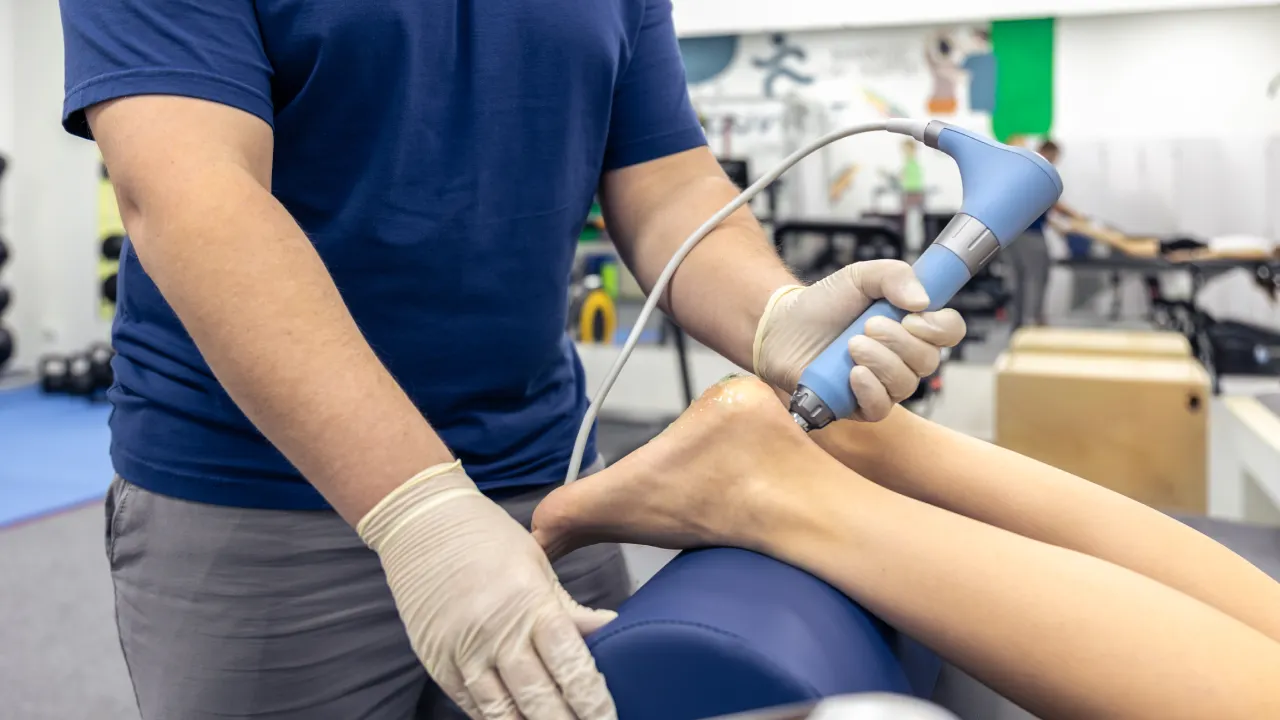
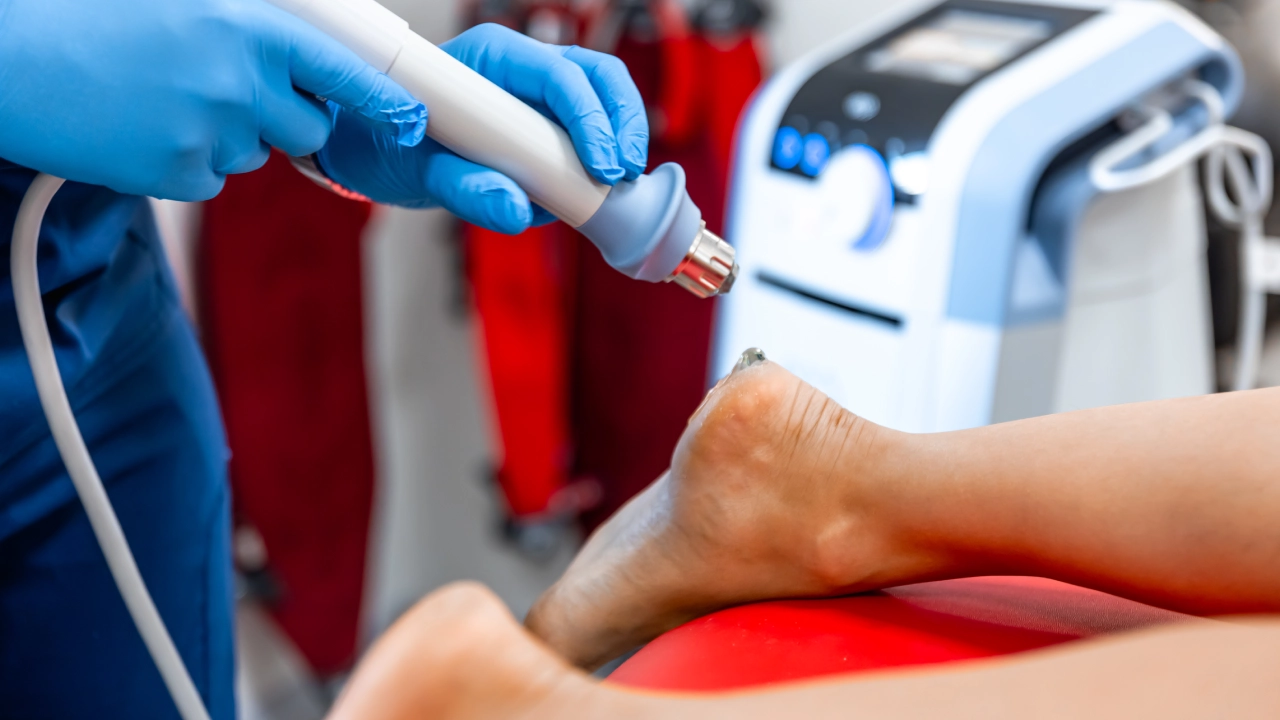
A handheld device delivers acoustic pressure waves through an applicator placed against the skin. A conductive gel is generally applied first to help the waves travel from the applicator to the targeted tissues.
These pressure waves create mechanical stimulation within the treatment area. Depending on the equipment and settings, the waves may interact with muscles, tendons, and surrounding connective tissues.
The aim is to encourage biological responses that may support the body’s natural tissue repair processes.
When the waves reach the targeted area, they produce mechanical pressure and movement within the tissues. This stimulation may influence local circulation, cellular activity, and certain processes involved in tissue remodelling.
The exact response depends on the condition being treated, the tissue involved, and the treatment settings.
It is important to remember that the device does not simply break apart damaged tissue or instantly repair an injury. Its role is to provide a controlled physical stimulus that may support recovery as part of a wider rehabilitation plan.
Not all devices work in exactly the same way. Two commonly discussed categories are focused and radial pressure wave systems.
Although both deliver mechanical energy, their wave patterns and energy distribution differ.
Focused systems concentrate acoustic energy at a selected depth within the body. This allows clinicians to direct stimulation towards a particular tissue location.
The treatment parameters can be adjusted according to the target area and the patient’s condition.
Radial systems distribute pressure waves from the applicator across a broader, more superficial area. The energy is generally greatest near the applicator and spreads outwards through the surrounding tissues.
These systems are often used for accessible soft tissue complaints.
The choice between the two depends on the diagnosis, treatment goals, available equipment, and clinical assessment. One type is not automatically suitable for every condition.
This approach is commonly discussed in relation to persistent tendon problems. Tendons connect muscles to bones and help transfer force during movement.
When a tendon becomes irritated or develops changes associated with prolonged loading, activities such as walking, running, lifting, or climbing stairs may become uncomfortable.
Some conditions for which clinicians may consider this treatment include:
The research supporting treatment varies between these conditions. Results are not identical for every patient, and some conditions have stronger clinical evidence than others.
A physiotherapist should assess the symptoms, medical history, movement patterns, and possible causes before recommending a treatment approach.
Another important fact is that an appointment generally does not require a lengthy procedure.
The actual application commonly takes several minutes, although the complete appointment may take longer because it includes assessment, preparation, and discussion.
A typical appointment may involve the following steps:
Step 1: Initial assessment
The physiotherapist asks about your symptoms, medical history, activity levels, and previous treatment. They may also assess movement, strength, tenderness, and the affected area.
Step 2: Identifying the treatment area
The clinician identifies the tissue that may benefit from acoustic stimulation. They also determine whether this approach is appropriate for your condition.
Step 3: Applying conductive gel
A small amount of gel is placed on the skin to support contact between the applicator and the treatment area.
Step 4: Delivering pressure waves
The applicator is moved across the selected area while the device delivers controlled pulses. You may notice tapping, pulsing, or pressure sensations.
Step 5: Reviewing the response
The clinician checks how you respond and discusses activity recommendations, exercises, and any necessary changes to your rehabilitation plan.
Communication throughout the appointment matters. Tell your physiotherapist if the sensation becomes uncomfortable or if you notice unusual symptoms.
A common question is whether the procedure hurts. The sensation varies according to the treatment area, the condition, and individual sensitivity.
Some people describe it as repetitive tapping or pressure. Others notice temporary discomfort, particularly when the applicator reaches a sensitive tendon or muscle.
The clinician can adjust the intensity according to your response and the treatment requirements.
Some temporary reactions may include:
These reactions do not occur in everyone. Their duration and intensity can vary.
Severe or unusual symptoms should not be ignored. Contact your healthcare provider if you develop significant swelling, increasing discomfort, skin changes, or another concerning reaction.
It is also important to discuss your medical history before treatment. Certain conditions, medications, and other health factors may affect whether this approach is appropriate.
A common misconception is that receiving a treatment session alone is enough to address an ongoing tendon problem.
In reality, recovery from musculoskeletal conditions can involve several factors, including tissue capacity, activity levels, strength, mobility, and the amount of stress placed on the affected area.
Physiotherapy exercises can play an important role alongside acoustic wave treatment.
For example, someone with Achilles tendinopathy may require a structured calf-strengthening program. A person with tennis elbow may need progressive loading exercises that target the forearm muscles.
These exercises help address physical limitations and gradually build the capacity of the affected tissues.
Your physiotherapist may also discuss:
The aim is to address factors contributing to the problem rather than focusing only on the area that feels uncomfortable.
There is no single session schedule that applies to every person.
Some treatment plans involve three to five appointments, while others may require a different number depending on the condition, clinical response, and treatment protocol.
Appointments are often separated by several days or approximately one week. However, the appropriate interval should be determined by the treating clinician.
Several factors can influence the number of appointments:
Type of condition: Different tendon and soft tissue conditions may require different approaches.
Duration of symptoms: Persistent symptoms may involve more complex tissue changes and activity-related factors.
Severity of the problem: The extent of symptoms and functional limitations can influence clinical decisions.
Response to treatment: The physiotherapist reviews changes in symptoms and physical function before deciding whether to continue.
Rehabilitation participation: Exercise consistency and activity management can influence progress.
Patients should not assume that more sessions automatically mean greater improvement. Treatment should be reviewed regularly, and the plan should be adjusted when necessary.
Although this treatment may be considered for selected musculoskeletal conditions, it is not appropriate for every injury or every patient.
A proper assessment is necessary before starting.
Depending on the device, treatment location, and medical circumstances, clinicians may avoid or postpone this approach in situations involving:
This is not an exhaustive list. Specific precautions vary according to the equipment and clinical circumstances.
Patients taking anticoagulants or those with a history of significant medical conditions should disclose this information before an appointment.
A physiotherapist can review the potential risks and discuss other approaches if the treatment is unsuitable.
Musculoskeletal rehabilitation often involves more than one treatment method. The approach depends on the condition, physical assessment, personal goals, and response to previous interventions.
Shockwave therapy may form one part of a physiotherapy program rather than being used as a standalone procedure.
For example, a person with plantar fasciopathy may benefit from a combination of footwear advice, calf strengthening, foot exercises, and activity adjustments.
Someone with persistent elbow tendon symptoms may require progressive resistance exercises, changes to repetitive work activities, and guidance on gradually increasing physical demands.
The clinician’s role is to identify the factors contributing to the condition and select suitable treatment options.
Regular reassessment also helps determine whether the chosen approach is producing meaningful changes in everyday activities.
How long does a shockwave therapy appointment take?
The application itself generally takes around five to fifteen minutes, depending on the treatment area and protocol. The complete appointment may take longer because it includes assessment, preparation, and discussion of rehabilitation.
Is the treatment uncomfortable?
Some people experience tapping, pressure, or temporary discomfort during the procedure. Sensitivity varies between individuals. The clinician can adjust the device settings according to your response.
Can I return to normal activities afterwards?
Many people can continue routine daily activities after an appointment. However, strenuous exercise or high-impact activities may need temporary modification, depending on the condition and clinical recommendations.
How many appointments will I need?
The number varies according to the condition, symptom duration, and response to treatment. Some treatment plans involve three to five sessions, but your physiotherapist should determine the appropriate schedule following an assessment.
Is this treatment suitable for heel pain?
It may be considered for certain cases of plantar fasciopathy. However, heel discomfort can have several causes. A clinical assessment is necessary to identify the source before selecting treatment.
Can it be combined with other physiotherapy treatments?
Yes. Depending on the condition, it may be combined with strengthening exercises, mobility work, activity modification, and other rehabilitation approaches.
When should I notice changes?
The timing varies. Some people notice changes within a few weeks, while others may require a longer rehabilitation period. There is no guaranteed response or fixed recovery timeline.
Learning how a treatment works is an important step when deciding what to discuss with your physiotherapist. The eight facts above explain how acoustic pressure waves interact with body tissues, which conditions may be considered, what happens during an appointment, and why rehabilitation remains important.
At Port Physiotherapy and Massage, patients in Calgary can discuss musculoskeletal concerns, movement difficulties, and physiotherapy options with the clinical team. An assessment can help identify the source of symptoms and determine whether this approach is appropriate for their circumstances.
If you are experiencing persistent tendon or soft tissue discomfort, consider arranging an appointment to discuss your concerns.
Address: 250 109 Ave NE #3130, Calgary, AB T3N 1M7, Canada
Phone: 1-403-567-0189
Website: https://theportphysiotherapy.ca/physiotherapy-in-calgary/
Call the clinic to arrange an appointment and discuss whether shockwave therapy may be an appropriate part of your physiotherapy care.